Terramoto
Explore the tremors of history and memory with Lisbon's Terramoto.
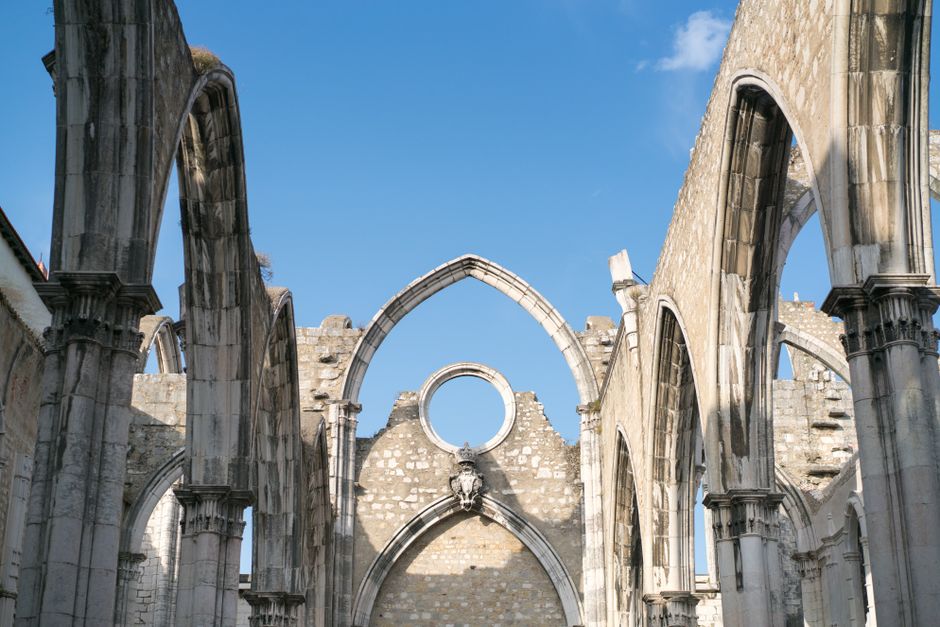
There’s a certain thrill that comes with standing atop the ruins of the Carmo Convent, where the sky is a violent blue, contrasting with the white stone arches that tell tales of destruction and resilience. Ghostly echoes whisper through the hollowed walls, remnants of the Terramoto that shook Lisbon in 1755, leaving the city gasping for breath as it reformed itself from the ashes. The air is thick with that peculiar blend of history and hope, a spirit forever entwined with the trembling ground beneath the feet of Lisboetas.
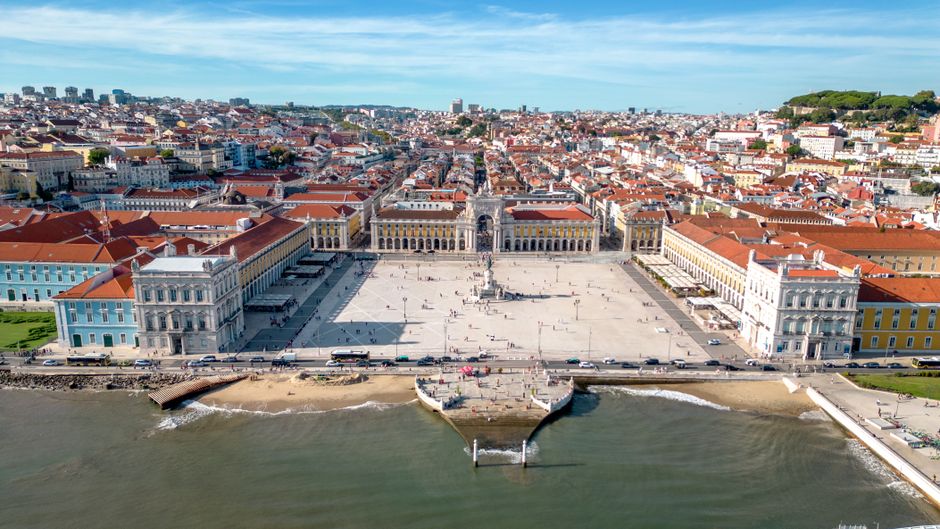
The word itself, Terramoto, carries a weight that transcends its literal meaning. It embodies not just the seismic event but also a national narrative of recovery and rebirth. It reverberates in the laughter of children playing in the shadows of the rebuilt Baixa, a neighborhood that rose anew from chaos. Each cobblestone laid here is a testament to the collective will to rise after being torn apart. The scent of freshly baked pastéis de nata wafts through the air, mingling with the salty breeze from the Tagus River, punctuating the past with sweetness.
As you walk through the streets, you might stumble upon an old man sitting outside a café, sharing stories with the wind about how the earthquake reshaped not just the physical landscape but the very soul of the city. The Terramoto was a cataclysm that led to new philosophies in architecture and urban planning, a seismic shift not just in the ground but in the ideas that would lay the foundations for modern Lisbon.
Yet amid all these stories, what lingers most is perhaps the quiet resilience. When the tremors stopped, a new Lisbon emerged, echoing with the laughter of its people, unbroken in spirit. Every time the earth quakes lightly, people pause; a moment of remembrance, a moment of togetherness. That lingering fear transforms into a celebration of survival, reminding us that out of destruction can come profound beauty and hope. The Terramoto now feels almost poetic, a reminder that life, like the city, is always in a state of reconstruction.